
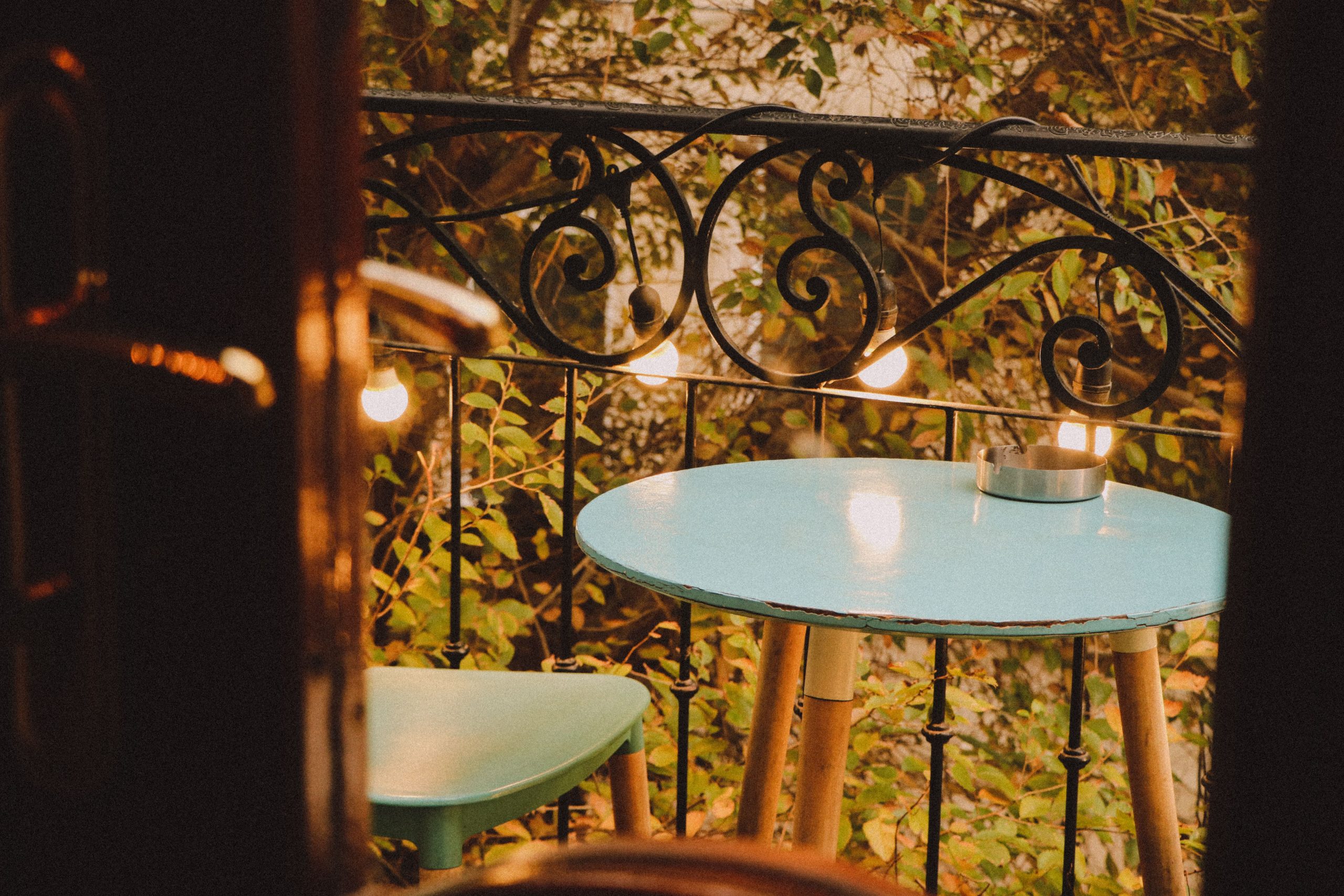
A small balcony can feel like an afterthought, yet a few deliberate changes can turn two or three square metres into a place you actually want to spend your evenings. The trick is to think about safety and structure first, then layer in comfort and style. Below are practical small balcony makeover ideas that work within real space limits.
Table of Contents
- Start With a Safety Check
- Know Your Weight Limits
- Zone the Space for Seating and Dining
- Layer Greenery Without Overloading
- Light the Space After Dark
- Choose Furniture Sized for Small Spaces
- A Retreat Built One Corner at a Time
Start With a Safety Check
Before buying a single cushion, walk the balcony and inspect the railing, floor, and door threshold. Safety problems are far cheaper to fix now than after you have filled the space with furniture. Look for these points:
- Railing height. Many residential building codes require guards of at least 36 inches (about 914 mm) on open-sided balconies, so check your local rules if your railing looks low.
- Gaps between railing posts. Small children and pets can slip through wide openings, so look for spacing that is tight enough to prevent passage.
- Loose fixings, rust, or soft timber. Tighten bolts and replace any compromised parts.
- Drainage. Standing water can damage the membrane and the surface beneath it, so make sure the outlets are clear.
If your railing needs upgrading, a replacement set of balustrades can improve both the structural integrity and the look of the balcony in one step. Choosing a style that matches your home’s exterior will also make the space feel more finished.
Know Your Weight Limits
Balconies are designed for a specific live load, which covers people, furniture, planters, and anything else you place on them. Heavy additions can exceed that design, especially on older or smaller buildings. The BC Housing bulletin on balcony overloading and weight restrictions notes that small residential buildings are often designed for around 40 pounds per square foot of live load, and that wet soil in planters can be surprisingly heavy.
Use the table below as a rough guide when planning what goes where:
The figures above are estimates from the BC Housing bulletin, and your actual limits depend on the building. A hot tub, for example, is out of the question on most small balconies, and even a single large planter can add a significant point load. When in doubt, have a qualified professional check the structure before you add anything heavy.
Zone the Space for Seating and Dining
Even a narrow balcony can handle a seating area if you think in zones. Separate the space into a lounging corner, a dining spot, and a clear walkway. This keeps the layout from feeling cramped and makes it easier to move around.
- Use a bistro set with a round table, which takes up less visual space than a rectangular one.
- Choose two chairs rather than four, unless you regularly host guests.
- Keep at least 24 inches of clear walkway between furniture and the railing or door.
- Position the seating so you face the view or the most pleasant part of the space.
Layer Greenery Without Overloading
Plants are the fastest way to make a balcony feel like a retreat, but they also add weight and can cause problems in wind. The University of Illinois Extension’s guidance on container size points out that square pots are the most stable, while tall, top-heavy plants should be anchored on exposed balconies.
- Choose lightweight plastic or fibreglass containers over heavy clay or stone where possible.
- Group smaller pots at different heights using a plant stand or wall-mounted shelf to save floor space.
- Pick drought-tolerant plants such as succulents and herbs, which need less watering and less soil volume.
- Use a drip tray under each pot to protect the floor and prevent drainage from running onto neighbours below.
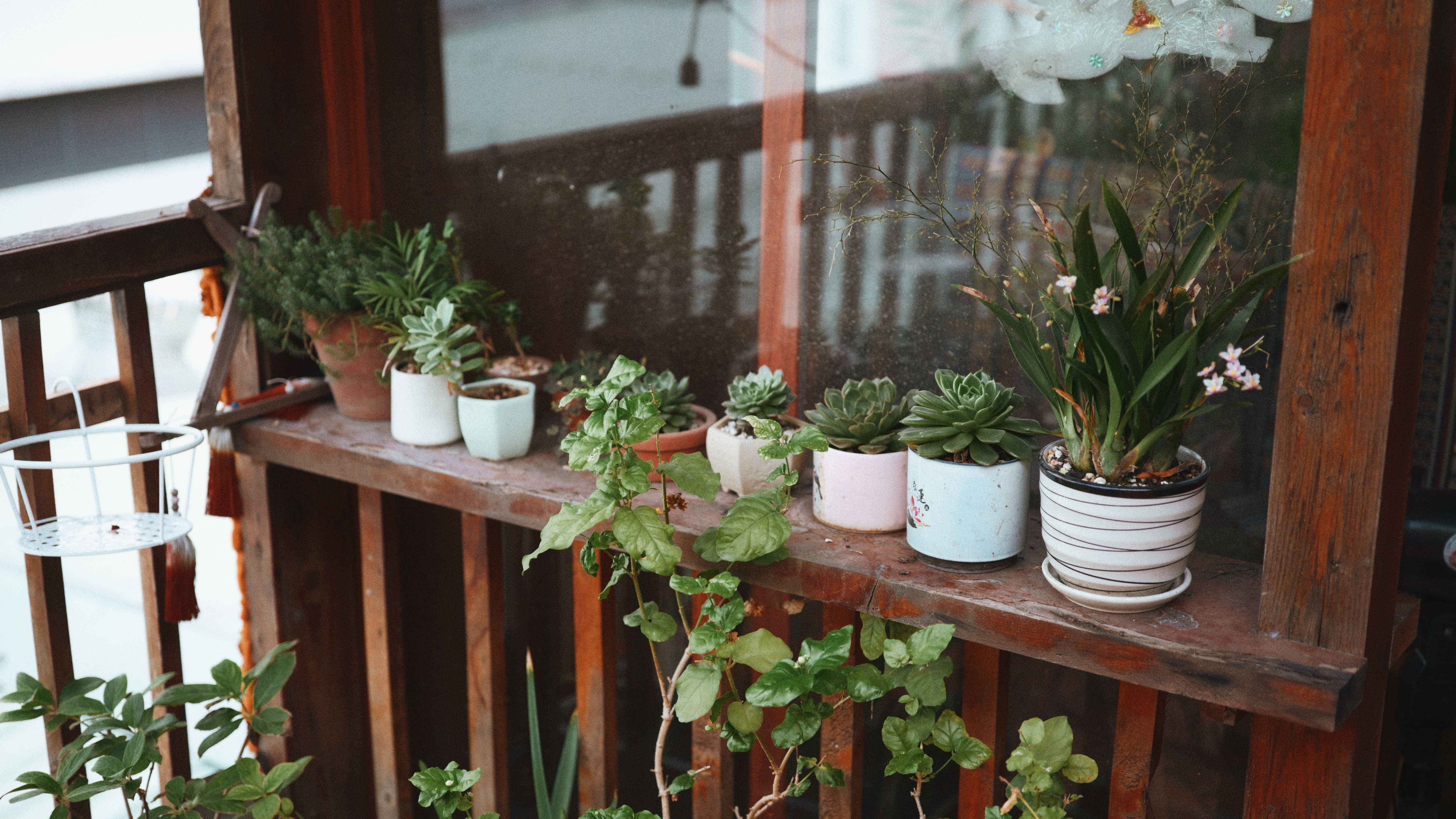
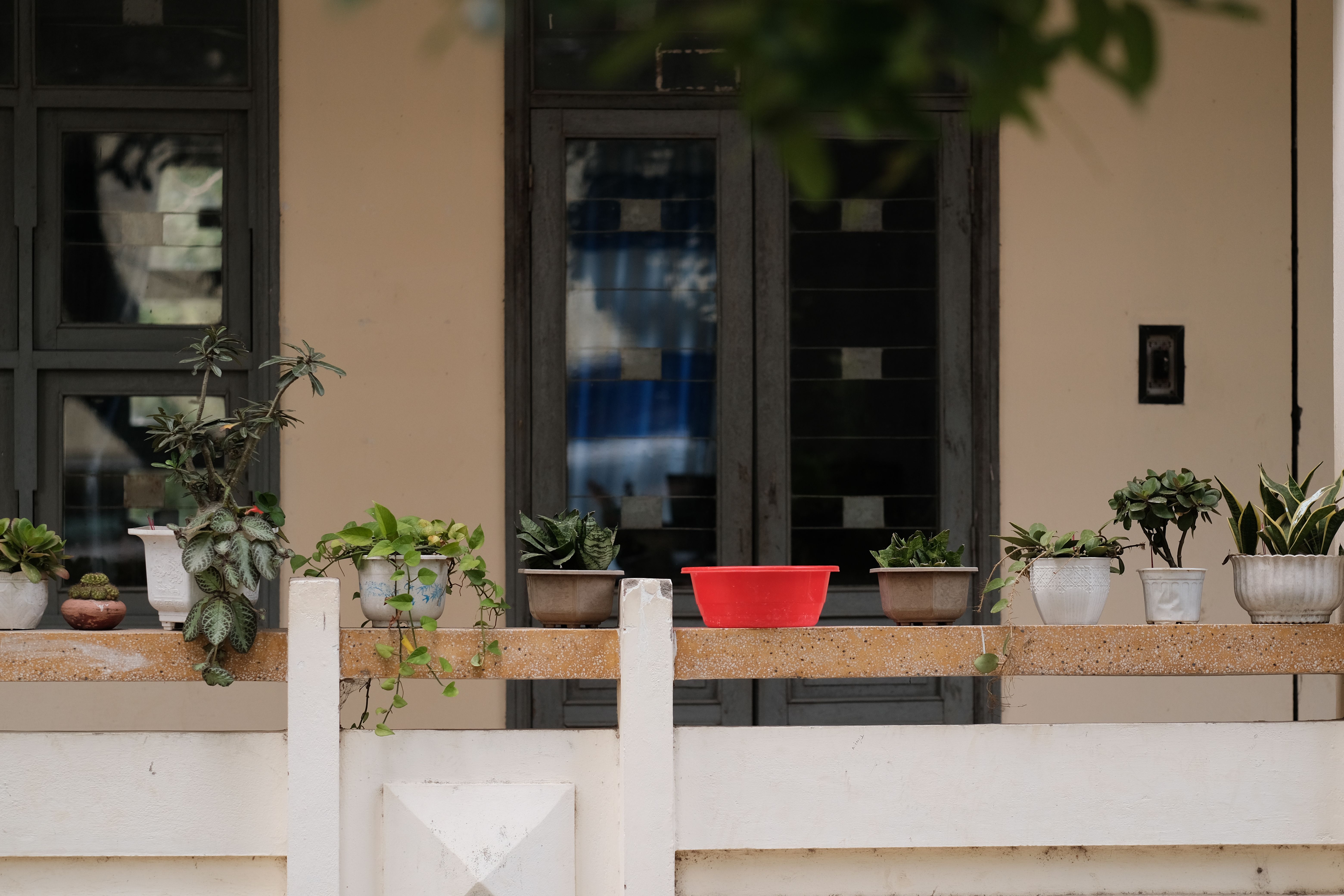
A mix of plant sizes also looks more intentional than a row of identical pots. Place one tall plant in the corner, a medium pot beside the seating, and a trailing plant along the railing. Repeating one colour in the containers, such as a red pot paired with green foliage, helps tie the look together.
Light the Space After Dark
Lighting changes a balcony from a daytime spot into an evening destination. Warm, low-level light is more relaxing than a single bright fixture, and it helps the space feel larger because it does not flatten the view.
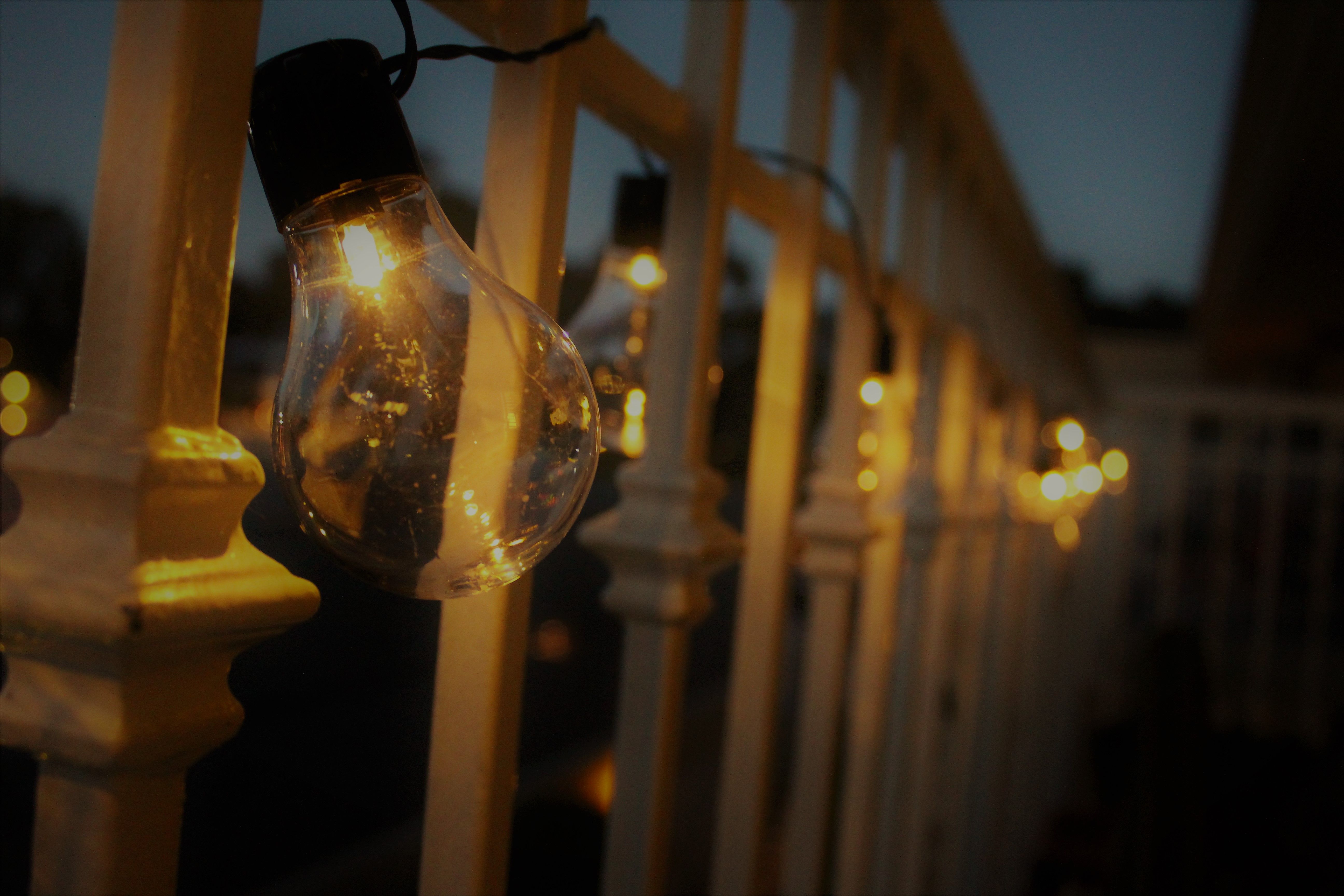
- String lights along the railing or overhead create a soft canopy effect.
- Choose warm white bulbs around 2700K for a cosy feel.
- Use solar or battery-powered options if you do not have an outdoor outlet nearby.
- Add a small lantern on the table for reading or conversation.
Make sure any electrical product you use is rated for outdoor conditions, and keep cords and plugs off the floor where water can collect.
Choose Furniture Sized for Small Spaces
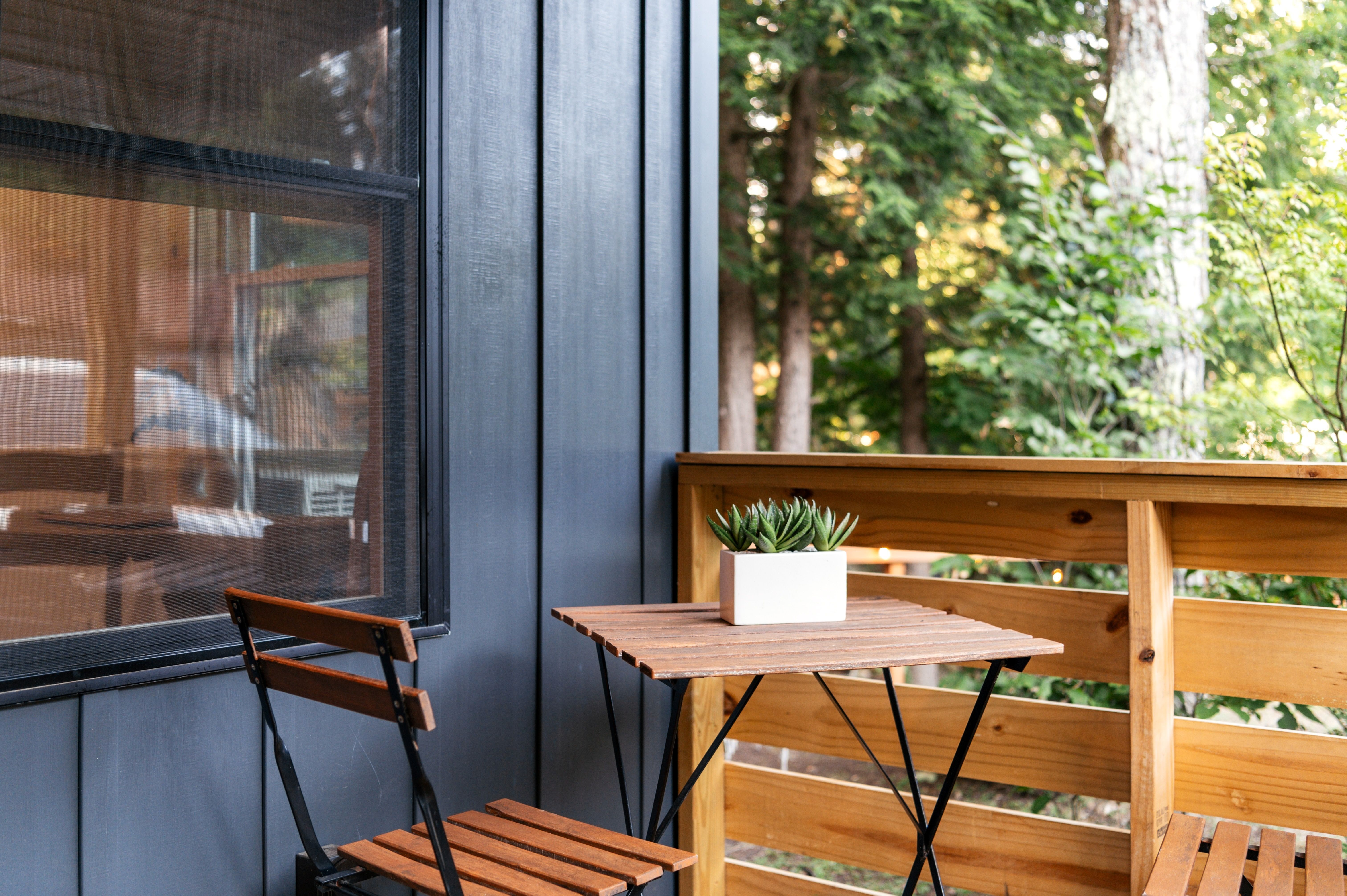
Furniture is where many small balconies go wrong. Oversized chairs and sofas overwhelm the space, while the right pieces make it feel open and inviting. Look for slim profiles, folding options, and pieces with some storage built in.
- Foldable chairs can be tucked away when you need more room.
- A bench with a storage box keeps cushions and cleaning supplies out of sight.
- Wooden or powder-coated metal furniture handles weather better than many fabric-heavy options.
- Add one or two outdoor rugs in a neutral tone to define the seating area.
A Retreat Built One Corner at a Time
A small balcony rarely needs a full renovation to feel like a retreat. Start with a safety check and an honest look at weight limits, then zone the space, add layers of greenery, and finish with warm light. Each change is modest on its own, but together they turn a forgotten strip of concrete into a place you will want to step outside for, morning or night.